
Thinking of Buying?
Thinking of Selling?
Mountain Living FAQ
Quick answers to common questions about living in Estes Park, with direct links to the detailed chapters throughout the Mountain Living Guide.
Start with the question, then follow the chapter link for details.
Mountain properties can differ widely in access, utilities, weather exposure, wildlife activity, road maintenance, and emergency planning. This FAQ provides general educational guidance, but property-specific decisions should be verified with the appropriate inspector, utility provider, public agency, or licensed professional.
Use the links throughout this chapter to return to the full section covering each subject.
Questions about elevation, storms, and winter travel.
Conditions can vary by elevation, exposure, roadway, driveway, and time of day. Check current information before traveling.
Will I notice the elevation?
Estes Park sits at a high elevation, and some people may notice shortness of breath, fatigue, headache, or disrupted sleep while adjusting. Hydration, rest, and a gradual pace can help. Seek medical help for severe or worsening symptoms. Read Living at Elevation.
Can the weather change quickly?
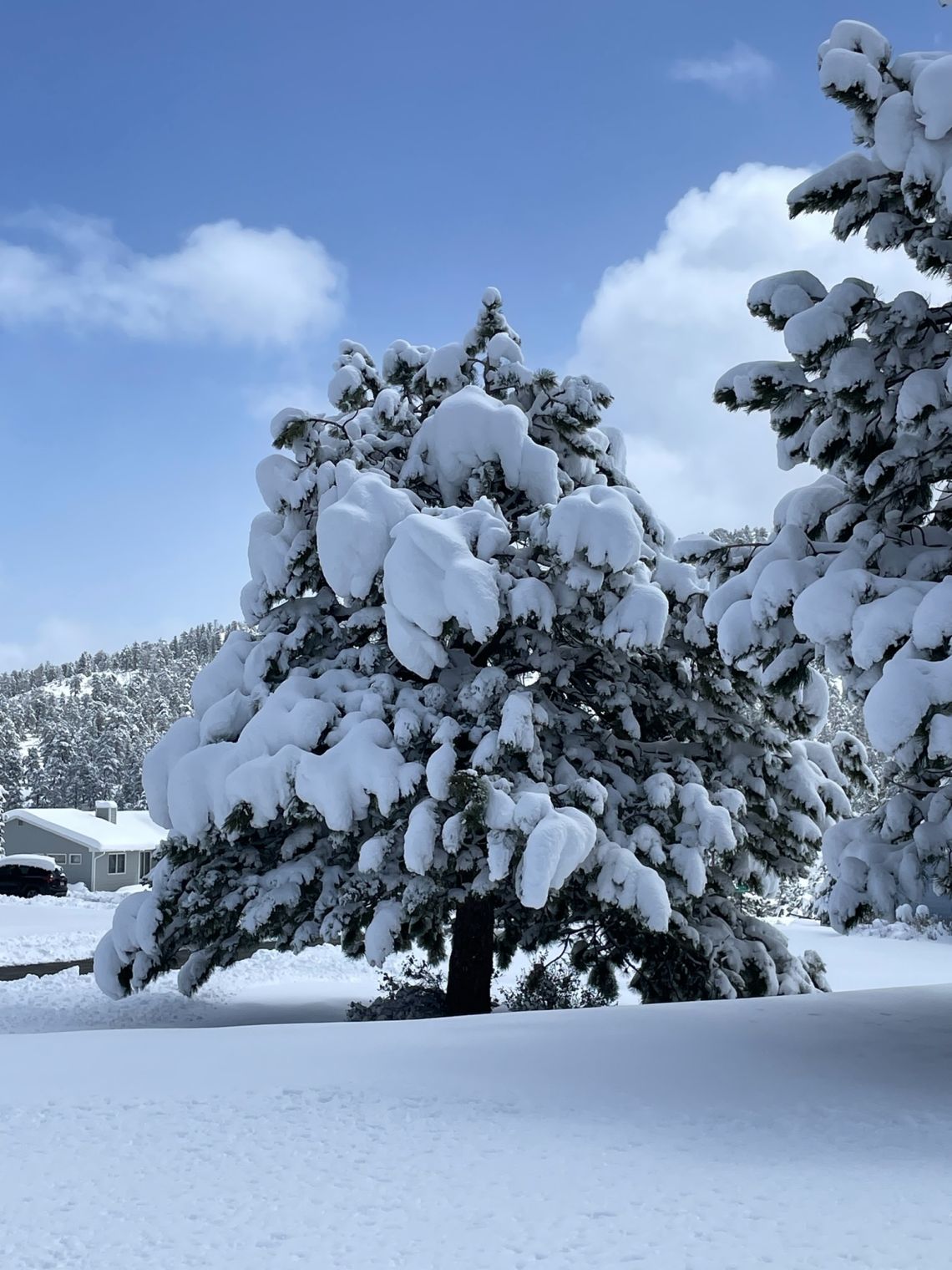
Yes. Mountain weather can shift rapidly, and conditions may differ across short distances and elevations. Check the National Weather Service forecast and be prepared for changing temperature, wind, precipitation, and visibility. Read Mountain Weather.
Do I need four-wheel drive?
No single vehicle setup is right for every property or storm. Tire condition, traction equipment, road grade, driveway design, plowing, and current restrictions all matter. Check COtrip and understand Colorado traction requirements before travel. Read Winter Driving and Road Conditions.
Who plows the road?
That depends on whether the road is maintained by the Town of Estes Park, Larimer County, CDOT, a homeowners association, a road association, or private owners. Verify responsibility before buying a property.
What should I ask about a steep driveway?
Ask about winter sun exposure, drainage, snow storage, plowing access, turnaround space, grade, surface material, and whether delivery or emergency vehicles can reach the home in poor conditions.
Where do I check road conditions?
Use COtrip for Colorado highway conditions and closures, the National Weather Service for forecasts, and local agencies for municipal or county road updates. National Park Service updates should be checked for roads inside Rocky Mountain National Park.
Wildlife should be observed, not approached or fed.
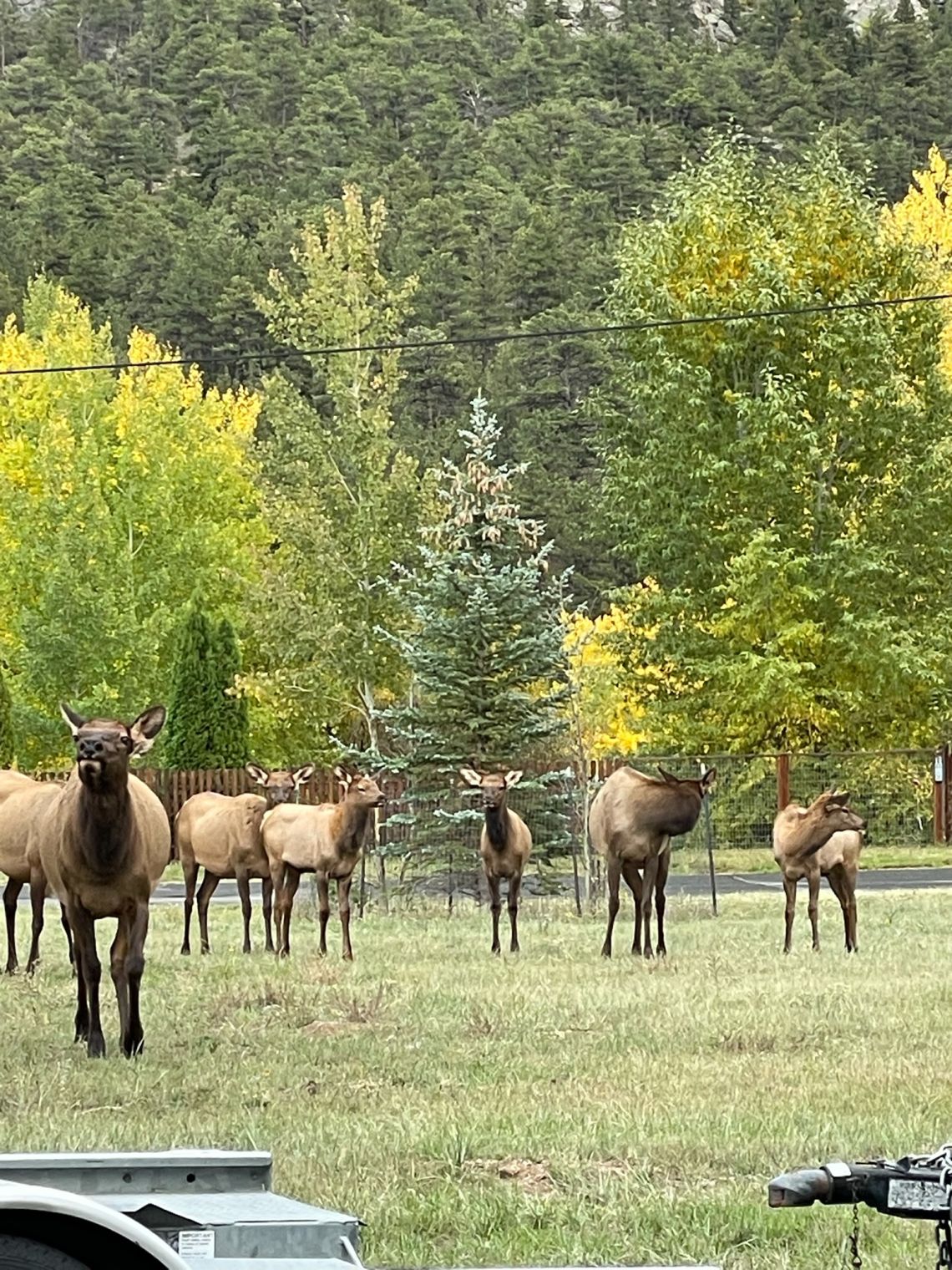
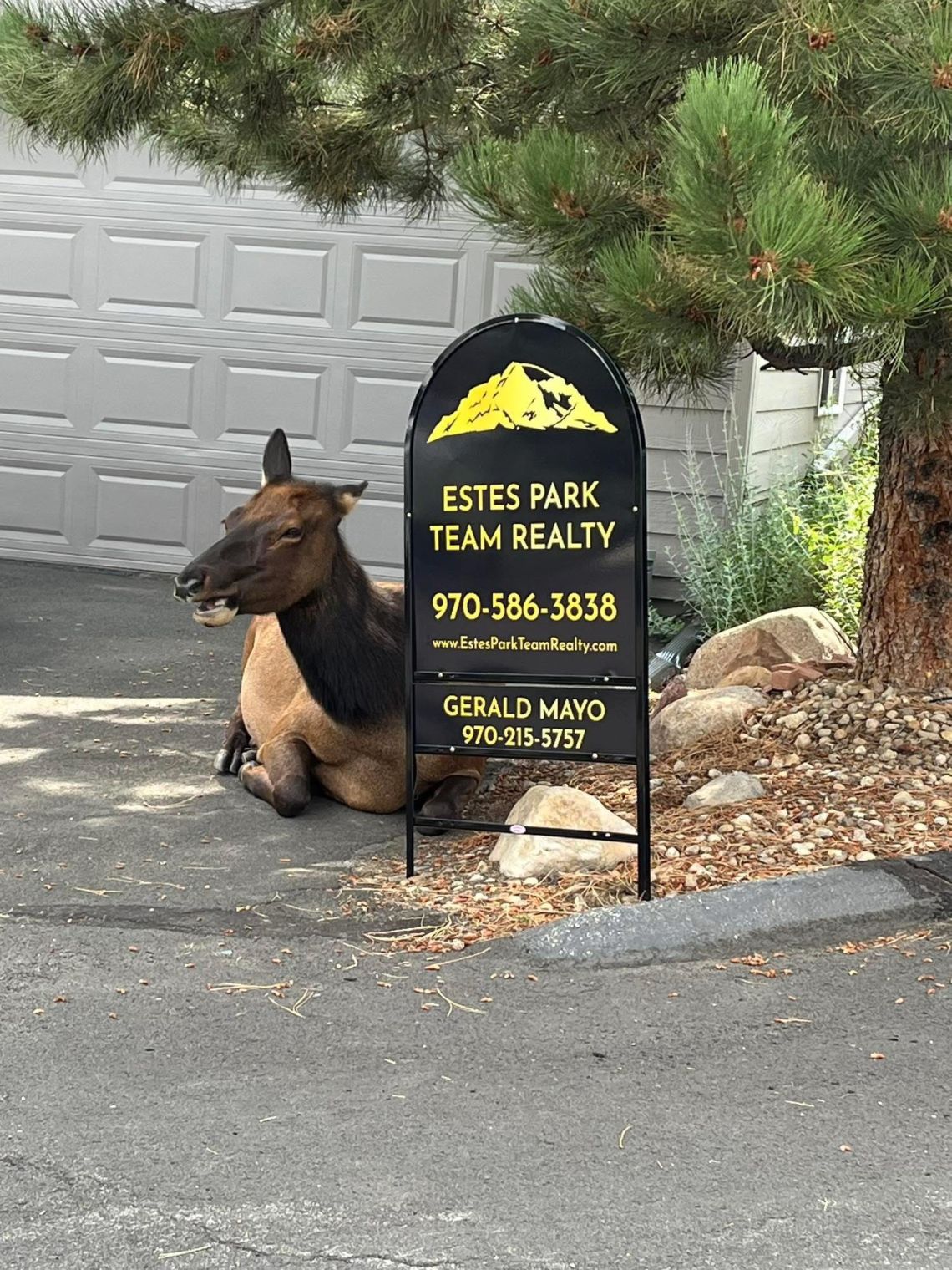
Elk, deer, black bears, coyotes, bobcats, mountain lions, and smaller animals may move through neighborhoods. Keep a safe distance, control pets, secure attractants, and give animals a clear escape route.
For injured, trapped, or threatening wildlife, contact the appropriate authority. Call emergency services when there is an immediate threat to human safety. Read Wildlife Around Your Home.
Questions to ask before buying or maintaining a mountain property.
Water, wastewater, heating, electricity, internet, access, and emergency planning can vary from one property to the next.
Does every home use town water?
No. Some properties use municipal water, while others rely on private wells or other approved systems. Confirm the water source, provider, permit history, treatment equipment, and testing records. Read Wells, Septic and Mountain Utilities.
Should private well water be tested?
Private well owners are responsible for their water quality. Testing needs depend on the well, property, household, and any changes in taste, odor, appearance, nearby activity, flooding, or system performance. Use a qualified laboratory and follow current public-health guidance.
How often should a septic system be pumped?
There is no universal schedule for every system. Tank size, household use, solids accumulation, system design, and maintenance history matter. Inspection and pumping decisions should follow the system's condition and current Larimer County guidance.
What should I know about propane?
Confirm whether the tank is owned or leased, who supplies it, how deliveries reach the property, where shutoffs are located, and whether the tank and lines have been maintained. Keep access clear in winter.
Is high-speed internet available everywhere?
No. Service type and speed can vary by address. Verify availability directly with providers before closing, especially when remote work, security systems, streaming, or telehealth are important.
How should I prepare for power outages?
Know the utility provider, keep emergency supplies, protect temperature-sensitive systems, understand safe generator operation, and plan for communication, lighting, heat, water, and medical needs.
Preparedness is an ongoing part of mountain homeownership.
Wildfire preparedness includes maintaining defensible space, reducing ignition risks on and around the structure, keeping access visible and passable, signing up for emergency alerts, and having a household evacuation plan.
Regular home care should also address roofs, gutters, decks, exterior finishes, drainage, heating equipment, plumbing, smoke alarms, carbon monoxide alarms, chimneys, trees, and seasonal access. Read Fire Safety and Wildfire Preparedness and Caring for a Mountain Home.
What does sustainability look like at home?
Practical stewardship includes conserving resources, maintaining the property, reducing wildlife attractants, and following current local guidance.
Repair leaks and irrigate carefully
Match outdoor water use to plant needs, site conditions, and current restrictions or provider guidance.
Improve efficiency thoughtfully
Air sealing, insulation, equipment maintenance, thermostat management, and efficient replacements can reduce unnecessary energy use when suited to the home.
Choose plants for the site
Select vegetation for elevation, soil, moisture, sun, and wildfire considerations rather than assuming every Colorado native fits every property.
Use current disposal guidance
Recycling, electronics, paint, batteries, chemicals, and other materials may require separate handling. Verify accepted items and locations before traveling.
Secure attractants
Garbage, grills, pet food, bird seed, coolers, and scented items can draw wildlife to homes. Store them responsibly.
Pair conservation with preparedness
Healthy landscaping, defensible space, drainage, home maintenance, and responsible resource use can work together. Read Living Sustainably.
Return to any Mountain Living chapter.
Use the full guide when you need more context, official-source links, and practical property questions.
References for the Mountain Living Guide
These agencies provide current guidance for weather, roads, wildfire, wildlife, wells, septic systems, utilities, home safety, and local services.
Town of Estes Park
Official local information for utilities, community services, emergency information, regulations, and town departments.
Visit the Town of Estes ParkLarimer County
County information for onsite wastewater systems, roads, public health, emergency management, solid waste, and property services.
Visit Larimer CountyColorado Department of Transportation
Official Colorado highway conditions, closures, traction requirements, cameras, and winter-driving information.
Check COtripNational Weather Service
Current forecasts, watches, warnings, hazardous-weather information, and weather-safety guidance.
Visit NWS BoulderEstes Valley Fire Protection District
Local wildfire-preparedness, defensible-space, evacuation-readiness, and wildland-urban-interface resources.
View local wildfire guidanceColorado State Forest Service
State guidance for defensible space, home ignition zones, forest health, and wildfire mitigation.
View wildfire mitigation resourcesColorado Parks and Wildlife
State guidance for living with wildlife, preventing conflicts, and reporting wildlife concerns.
View living-with-wildlife resourcesRocky Mountain National Park
Official park information for wildlife safety, road status, seasonal access, alerts, and visitor conditions.
Visit Rocky Mountain National Park